
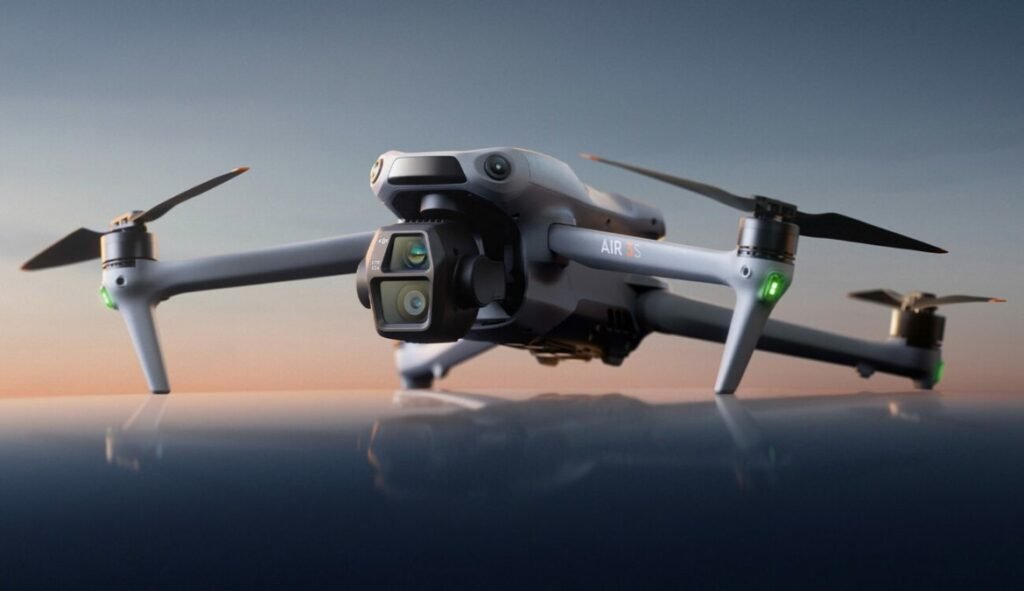
Currently, the most widespread use of drones is for photography. In this detailed article, we tell you everything you need to know about camera drones, from the best camera drones you can buy today for each type of user to key legal aspects, the features of these drones, and frequently asked questions.
The best drones with cameras
These are a selection of the best drones from three different comparisons of camera drones. You can click on the text for more information or directly visit the articles below to learn more about these drones.
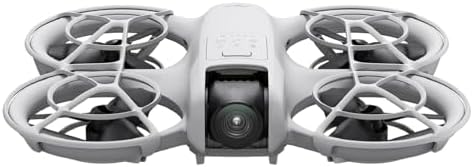

DJI Neo
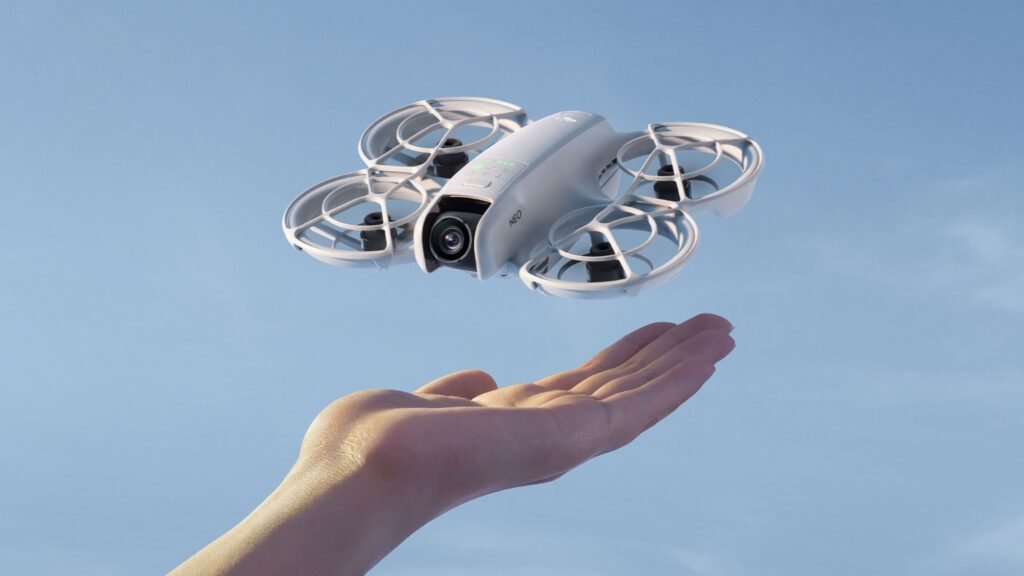
The DJI Neo is the best drone under 250 grams for beginners who want a powerful, affordable tool for capturing high-quality footage. This drone is primarily designed for autonomous flight , functioning as a personal flying camera. It can follow the user autonomously, reaching speeds of up to 25 km/h, and fly in one of its six modes. Alternatively, it can be paired with a DJI remote controller or FPV goggles and flown as a conventional or FPV drone (neither the remote controller nor the goggles are included). Learn more…
Potential Atom
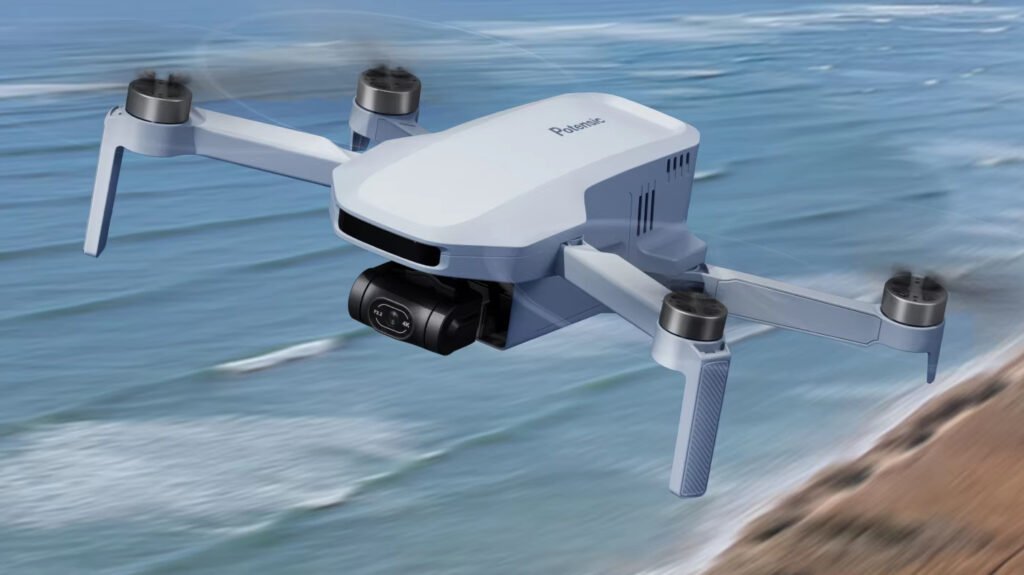
The Potensic Atom is also a drone weighing less than 250 grams, perfect as a first drone for taking your first steps into the world of aerial filming without sacrificing good quality shots, all at an affordable price . Designed to be compact, lightweight, and easy to transport , this drone stands out for its ability to deliver incredibly smooth footage thanks to its three-axis gimbal and 4K camera with a Sony CMOS sensor. It boasts a real-world flight time of 23 minutes, a range of 6 km, and simple controls that make it easy for anyone to enjoy the experience.

DJI Mini 3
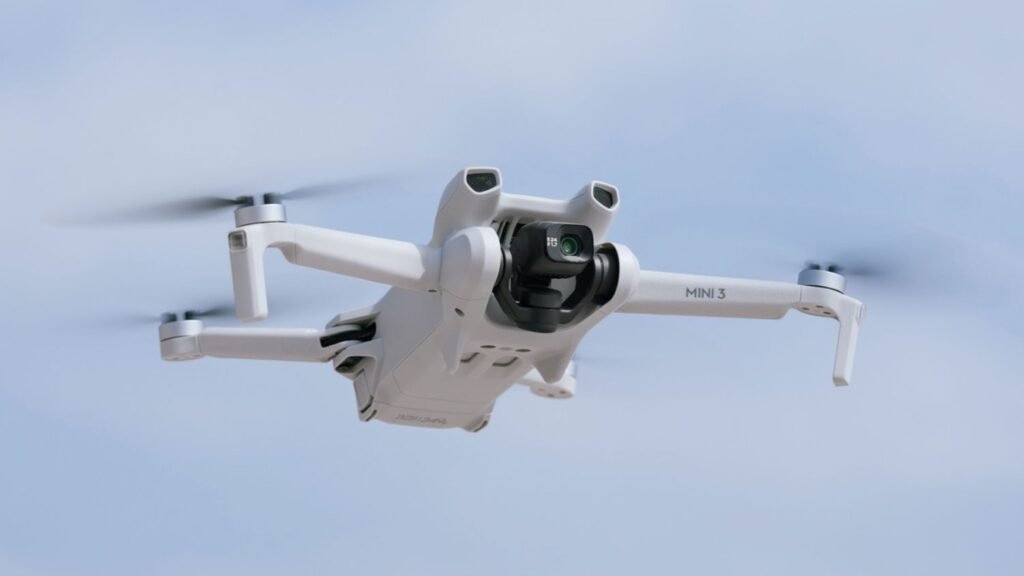
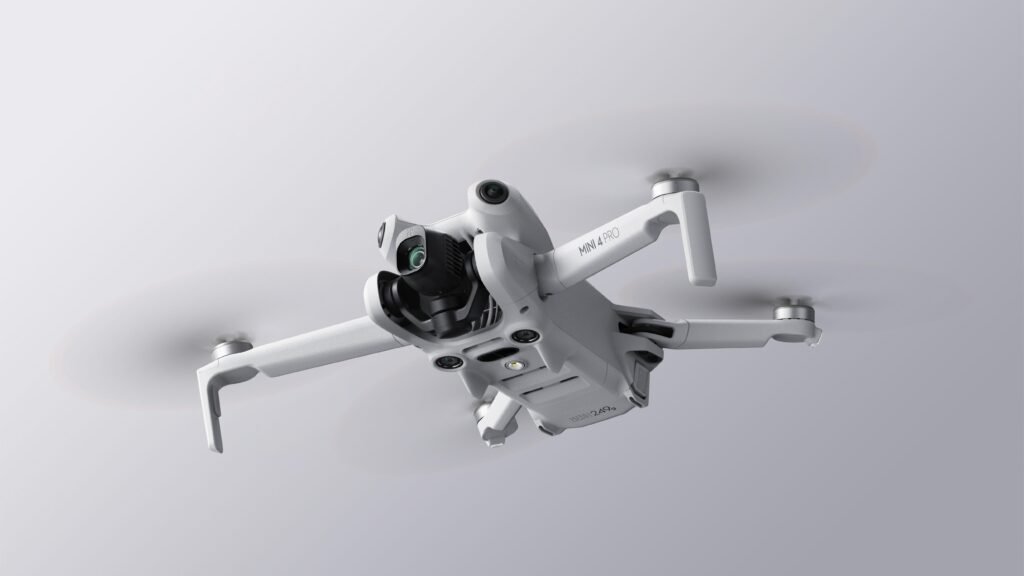
The DJI Mini 3 is the best sub-250-gram drone in this comparison. It's a bit more expensive than the Pontensic Atom, but reasonably priced considering its features. Whether you're a beginner or a more experienced pilot, you'll be impressed by its 4K HDR camera , 38-minute flight time (extendable to 51 minutes), vertical recording for social media, and automatic flight modes. It's also recommended to purchase it with the high-quality integrated screen transmitter to get the most out of this drone, as it offers lower latency than the stock transmitter. Learn more…
DJI Air 3s

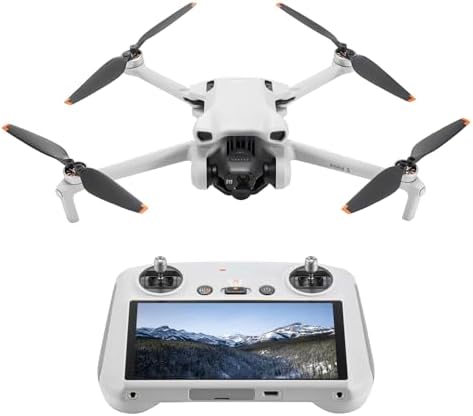
The DJI Air 3s is a larger drone that stands out for its robustness and quality without sacrificing portability, as it can be easily carried in a small backpack. Its larger size allows it to carry a larger camera, which features a dual sensor . The main camera has a one-inch sensor with 4K recording at 120 fps , while the secondary camera is a 70mm telephoto lens for more creative shots. It also offers up to 45 minutes of flight time , market-leading omnidirectional obstacle avoidance, and a range of 12 km (limited by regulations). Learn more…
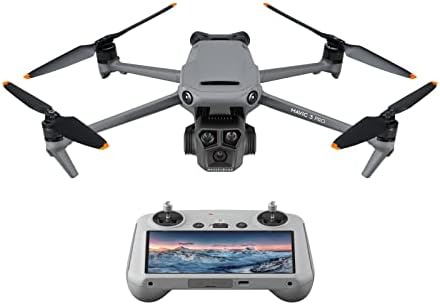
DJI Mavic 3 Pro
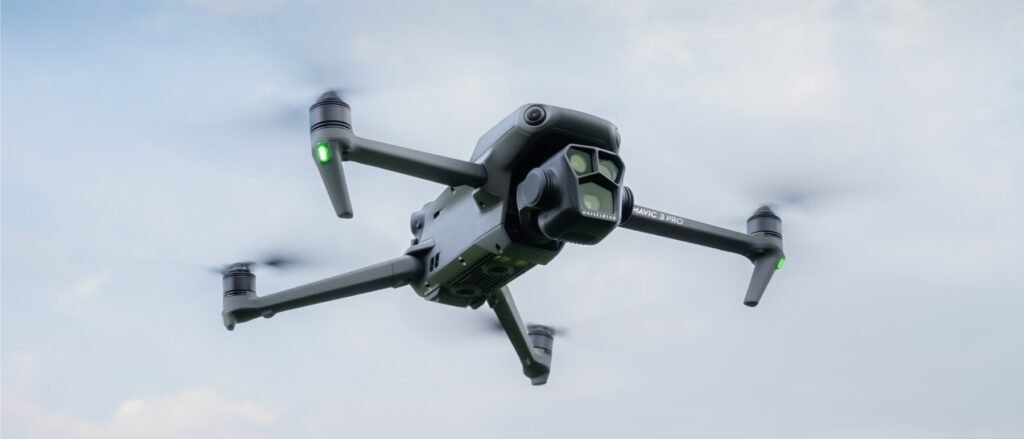
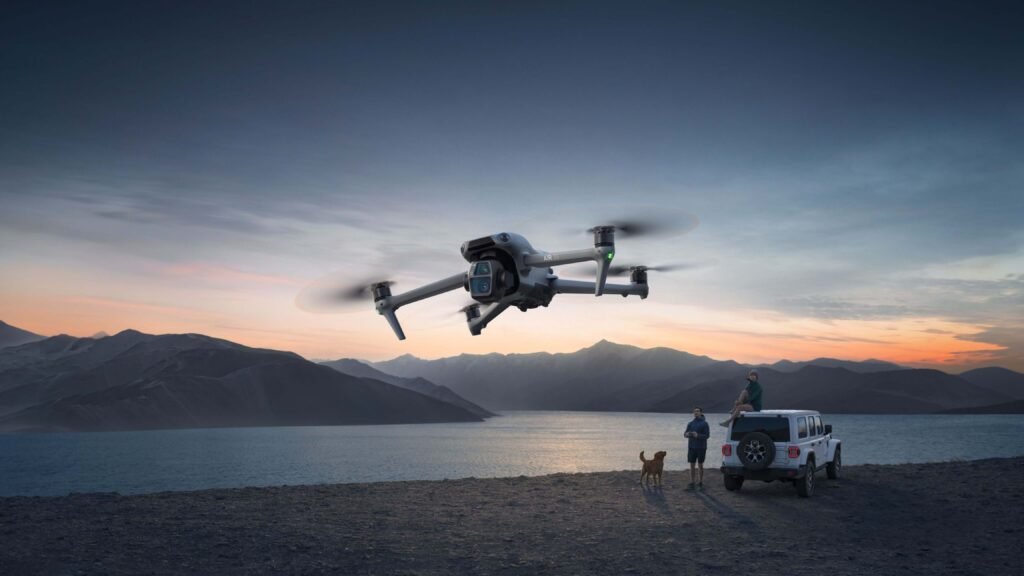
The DJI Mavic 3 Pro is DJI's best handheld drone. It stands out for its triple-camera system , led by a main camera with a 4.3-inch sensor developed in collaboration with Hasselblad, capable of recording up to 5.1K at 50 fps , delivering cinematic quality. Its secondary 48MP camera with a 70mm focal length and its third camera with 7x optical zoom and up to 28x hybrid zoom allow for shots from multiple perspectives. It integrates obstacle detection with LiDAR technology, intelligent flight modes such as ActiveTrack 5.0 and MasterShots , and a flight time of up to 46 minutes , with a maximum range of 15 km . Learn more…
To learn more about the features of all these drones , you can visit the following articles, which detail both the specifications of each drone and its advantages and disadvantages.

Summary of legal aspects
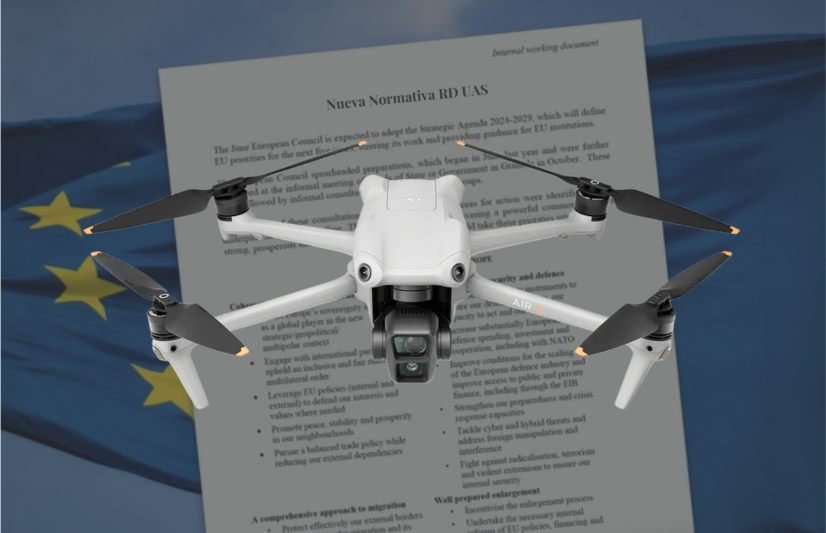
It's important to note that, aside from purchasing the drone, you must comply with the law at all times . The new Royal Decree that came into effect at the beginning of 2024 imposes a series of requirements and obligations that every drone pilot must meet to fly their drone legally. Although there will be additional requirements depending on the drone's weight or the area where it is flown, the following are mandatory regardless of these factors:
General requirements
- Register as a pilot-operator on the AESA website.
- Display the identification number visibly on the drone.
- Acquire the necessary training according to the weight of the drone.
General obligations
- Maintain flight within visual range
- You cannot fly over concentrations of people
- It is forbidden to fly over buildings, or to approach them closer than 150 meters (within subcategory A3)
- The maximum permitted height is 120 meters.
Advantages of drones weighing less than 250 grams
- No training is required to fly these drones, although it is highly recommended to obtain it.
- It is permitted to fly over people not involved in the operation on occasion, but flying over concentrations of people is not allowed.
The requirements and obligations mentioned are the minimum that must always be met, but if you are flying within a city or in a specific category, you will need to complete additional procedures and comply with more requirements. For complete regulations, please see the following article:
Features of drones with cameras
All the drones in this comparison meet a set of minimum requirements necessary to provide a satisfactory flight experience and the best possible recording results within their price range. We believe that any worthwhile camera drone should meet a series of basic requirements, which are listed below:
- 4K Recording: The ability to record in 4K has become a standard for obtaining high-quality images and videos. Compared to lower resolutions, such as 1080p, 4K quality allows for greater creative freedom when editing video, enabling cropping and stabilization without losing detail. A drone without this capability can limit visual quality and make the content appear less professional, so the ability to record in 4K resolution is an essential requirement for the camera drones in this comparison.
- Real-time video transmission: Real-time transmission allows the pilot to see what the drone's camera is capturing in real time. This not only enhances the flying experience but also makes it easier to frame precise shots and control the drone more accurately. Drones with poor transmission quality or significant delay make real-time control difficult, which can result in inaccurate footage or even accidents.
- Flight time exceeding 20-30 minutes: Battery life is also an important factor when choosing a drone. A flight time of at least 20-30 minutes allows for longer flights and lets you take full advantage of the drone's recording and exploration capabilities. Drones with shorter flight times often interrupt recording sessions and require frequent landings to change or recharge the battery, which can be frustrating and limit their usability.
- GPS Technology and Return to Home Function: The integrated GPS allows the drone to remain stable during flight and facilitates functions such as route planning, hovering over specific points, and autonomous flights. The Return to Home (RTH) function uses GPS to automatically return the drone to its takeoff point in case of low battery, signal loss, or manual activation, making them much safer and more reliable.
Frequently Asked Questions
The DJI Neo is ideal for beginners thanks to its ease of use, automatic functions, and ability to capture high-quality images.
The Potensic Atom stands out for its affordable price, 4K recording, three-axis gimbal, and compact design.
It is not mandatory, but training is recommended to ensure safe and responsible use.
You must register as a pilot-operator with AESA, have the identification number visible on the drone, and fly respecting basic rules, such as keeping it within visual range and below 120 meters in height.
A flight time of at least 20-30 minutes is recommended to take full advantage of the drone's capabilities.
The DJI Mavic 3 Pro is the ideal choice, thanks to its triple camera system, 5.1K recording, and advanced technologies like ActiveTrack 5.0.
It is permitted to fly over people not involved in the operation on occasion, but it is forbidden to fly over concentrations of people.
It is a function that allows the drone to automatically return to its take-off point in case of low battery, loss of signal, or manual activation.
Features such as vertical recording, 4K HDR cameras, and automatic modes for dynamic shots make it ideal for creating content on social media.
Models like the DJI Air 3s and DJI Mavic 3 Pro integrate omnidirectional obstacle detection or LiDAR technology for safer flight.


![20 Recommended Products I'm Glad I Bought on Amazon [2026 Latest]](https://lh3.googleusercontent.com/blogger_img_proxy/AEn0k_s-m3VH27DFQZVN6fHKX2bSCqGHInvoJtb8G6qayNcsev8JZJwbOjkvTxcMOQN0VEFFWVczg7pmUUgi3qXHvNUQ0cTZRDt_KEt6BuDIe33ayn_pg__MCMtjiv3TyHkJVAHeBg-gzIYJetmzpgL_3sluew3pw0gFWg=w72-h72-p-k-no-nu)


0 Comments